Search


12 Apr 2026
Search
12 Apr 2026

Please allow ads as they help fund our trusted local news content.
Kindly add us to your ad blocker whitelist.
If you want further access to Ireland's best local journalism, consider contributing and/or subscribing to our free daily Newsletter .
Support our mission and join our community now.
To continue reading this article, you can subscribe for as little as €0.50 per week which will also give you access to all of our premium content and archived articles!
Alternatively, you can pay €0.50 per article, capped at €1 per day.
Thank you for supporting Ireland's best local journalism!

An emergency Cabinet meeting has been called as Ireland’s Government prepares to sign off on measures it hopes will bring protests over fuel costs to an end.
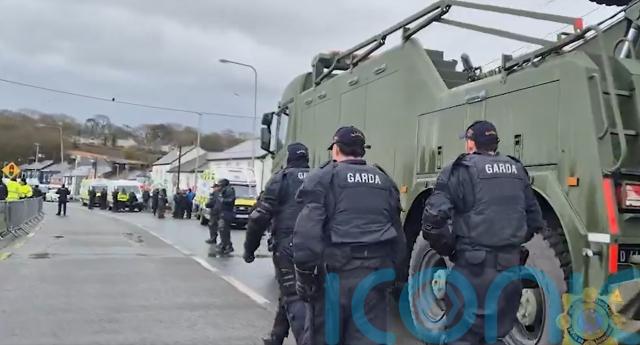
The protests, which involved blockades of Ireland’s only oil refinery as well as key depots, strangled fuel distribution across the country and prompted an escalated policing response that resulted in several arrests and public order gardai deployed in Cork and Galway.
Participants – largely led by hauliers, farmers, and agricultural workers – began separate but coordinated actions on Tuesday with slow-moving convoys and outright stoppages on major motorways, as well as the blockades of critical infrastructure.
The protests rolled into a sixth consecutive day on Sunday, with spokesmen calling on Government to take urgent action to reduce fuel costs which they say are at unsustainable levels and will lead to people going out of business.
The coalition is expected to sign off on fuel-cost measures on Sunday, but it remains to be seen if it will convince protesters to call off their actions before the return of schools on Monday adds to pressure on the roads.
The Irish police service, An Garda Siochana, cleared a blockade of the Whitegate oil refinery in Co Cork around lunchtime on Saturday and vowed to implement further enhanced enforcement actions.
On Sunday morning they announced all blockades in Dublin had been cleared following an overnight operation on O’Connell Street.
The Whitegate operation saw physical clashes between protesters and gardai, who used pepper spray during the hour-long operation which resecured access for fuel trucks.
A Garda Operation is ongoing at Whitegate Refinery to ensure critical supplies of fuel to maintain critical emergency public services, including Ambulance and Fire Services.
Garda Public Order Units have been deployed.
Blockaders must comply with Garda directions. pic.twitter.com/qhirYj9DPC
— An Garda Síochána (@GardaTraffic) April 11, 2026
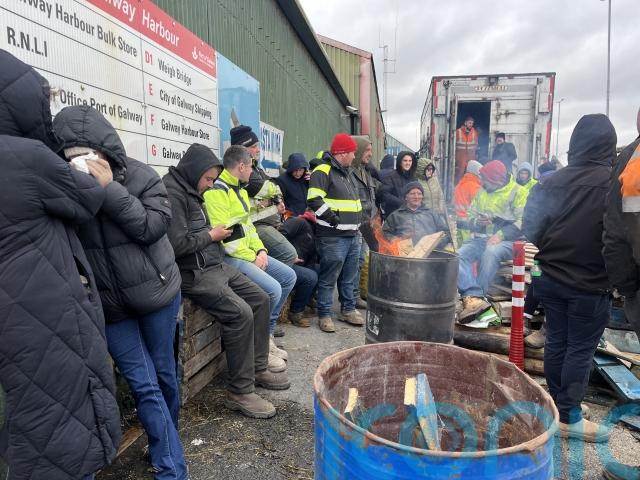
Gardai were later called to a similar action at Galway harbour, where hundreds of protesters gathered in pouring rain while restricting access to a fuel depot by blocking the way with tractors.
Members of the Public Order Unit, wearing protective gear and batons, were at the scene for hours overnight.
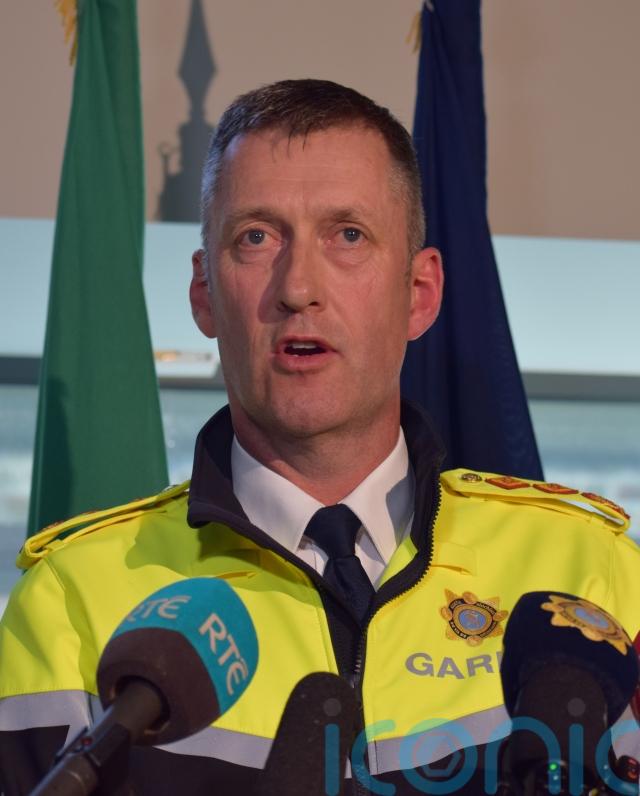
Garda Commissioner Justin Kelly had vowed to to step up enforcement against fuel-cost protesters “endangering the state” by blocking critical infrastructure.
Protesters’ demands for meetings with Government were not acceded to but relevant ministers held talks with established national representative bodies on Friday and Saturday.
These meetings concluded with a “substantial” package involving a temporary fuel transport support scheme” and “temporary fuel support”.
It is understood the transport support scheme would see direct payments to businesses in the sectors affected by high fuel costs.
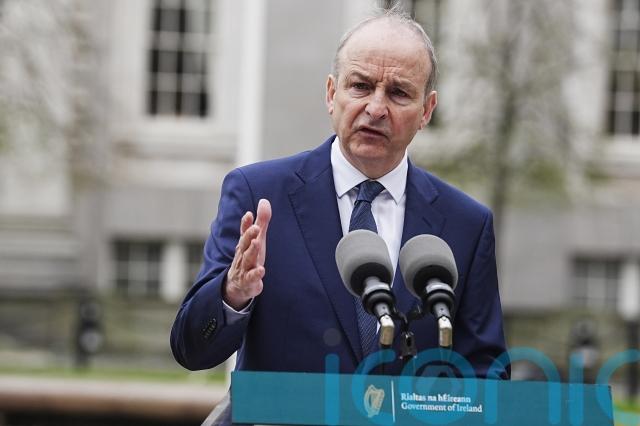
A senior source said the scheme will be part of a broader package on the fuel crisis.
The engagements included Irish Road Haulage Association president Ger Hyland, who said there were “the bones of an agreement” with the Government.
He added that he hoped the “substantial package”, understood to include a direct payment scheme, would be agreed by Sunday morning.
The Cabinet is due to meet on Sunday afternoon to sign off on the measures.
The pledge of a “substantial” package was not enough to dissuade protesters away from other blockades of a fuel depot in Foynes, Co Limerick and the main thoroughfare of Dublin city centre.
Commissioner Kelly said: “Some people have decided to escalate an already difficult situation by blockading critical national infrastructure such as fuel depots and refineries.
“This has resulted in fuel shortages that are directly impacting on emergency services such as hospitals, the ambulance service and the fire service, as well as businesses and the general public.
“These are blockades. They are not a legitimate form of protest.”
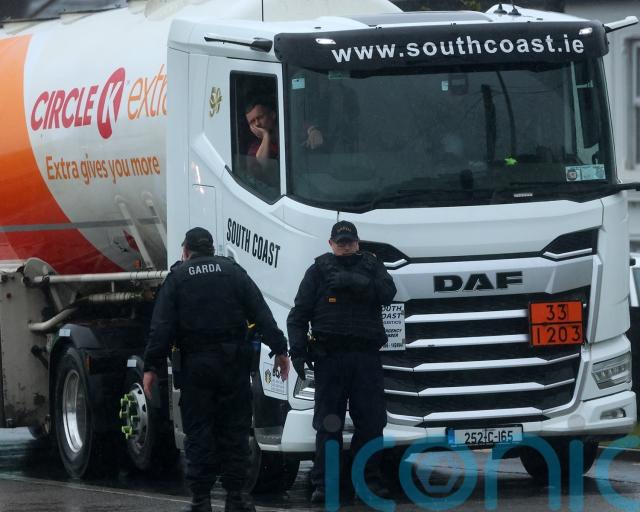
He said: “We gave the blockaders fair warning that we were moving to enforcement and they choose to ignore it and continue to hold the country to ransom.”
A small number of Defence Forces personnel with heavy-lift recovery trucks have been on standby to assist gardai with moving large vehicles if needed.
The escalated enforcement action came after Fuels for Ireland chief executive Kevin McPartlan said around 600 of the 1,500 filling stations in the Republic of Ireland had run dry on Saturday morning.
He had predicted that the number “would grow quite dramatically” if the blockades on Whitegate in Galway and Foynes, Co Limerick, continued.
Elsewhere, Rosslare Europort was expected to hit capacity by Sunday evening or Monday morning.
Operations at the port, run by Irish Rail, have been affected by a blockade of fuel protesters in the nearby town of Kilrane, Co Wexford.
A spokesperson for Irish Rail said the port will soon be unable to take in any more freight – resulting in ships having to wait on anchor or being diverted to another port if possible.
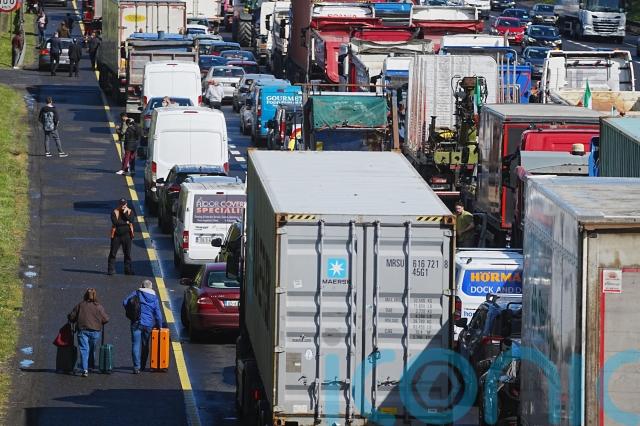
Blockades have resulted in full closures of parts of the M50 ring road around Dublin, as well as other major motorways, although Gardai announced blockades on the M50 at junctions five and seven had been cleared on Sunday morning.
Meanwhile, police in Northern Ireland said they were “maintaining an ongoing assessment” in relation to social media posts calling for similar planned protests there.
A PSNI spokeswoman said: “A policing response has been prepared, if needed, to ensure public safety and to help minimise any potential disruption to the wider community.”

Subscribe or register today to discover more from DonegalLive.ie
Buy the e-paper of the Donegal Democrat, Donegal People's Press, Donegal Post and Inish Times here for instant access to Donegal's premier news titles.
Keep up with the latest news from Donegal with our daily newsletter featuring the most important stories of the day delivered to your inbox every evening at 5pm.
Follow us on


This publication supports the work of the Press Council of Ireland and Office of the Press Ombudsman, and our staff operate within the Code of Practice of the Press Council. You can obtain a copy of the Code, or contact the Council, at www.presscouncil.ie, Lo-call 1800 208 080 or email: info@presscouncil.ie.