
NPP - The packaging upgrade helping Irish food businesses compete at scale
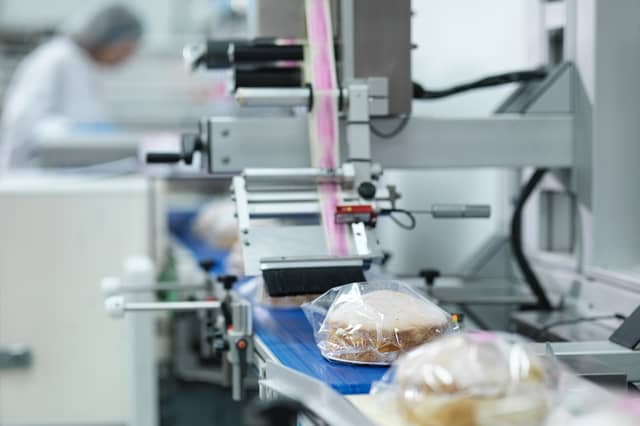

NPP supplies food packaging materials and machinery for producers and processors
Food businesses in Ireland rarely grow in a straight line. One month it might be a new retailer. Another, a larger wholesale order, a better listing, or a distributor asking for steadier supply.
That is usually a good sign, but it can put pressure on parts of production that were built around smaller batches. Packaging is often where those limits first become visible.
A line that works well at low volume can become awkward once the numbers rise. Filling takes longer. Seals need more checking. Labels may not sit the same way every time. Boxes that were fine for local deliveries may not cope as well with longer storage, courier handling or pallet transport.
At that stage, the pack is no longer just the last job before dispatch. It starts to affect how reliably the business can take on bigger orders.
Bigger Orders Test the Packing Routine
In the early days, many food businesses rely on manual fixes. A seal can be checked again, a carton can be replaced, or an extra layer of wrap can be added before an order goes out.
That can work when volumes are low. It becomes harder to rely on once the same problem is happening several times a day.
A slow sealing step can turn into a production delay. A carton that does not suit the product can lead to damaged stock. A label that is awkward to apply can start wasting staff time. A pallet that is not stable enough can create problems during transport.
The issue is rarely one dramatic failure. More often, it is a series of small losses that becomes expensive as output grows.
Packaging Has to Support the Whole Operation
The basic job of food packaging is still protection: keeping food protected, presentable and suitable for the journey it has to make.
As output grows, it also starts to affect labour, waste, margins and customer confidence.
If the pack is wrong, the cost can show up early. Product may need to be reworked, orders may take longer to finish, or goods may arrive looking less reliable than they should.
A better packaging set up makes the process easier to repeat. It reduces avoidable errors, supports a more consistent finish and gives products a better chance of travelling well.
For food businesses trying to compete with larger brands, that consistency matters.
The Useful Upgrade Is Often Practical
When people hear “packaging upgrade”, they often think of a new look.
A better looking pack can help on a shelf, but the most useful changes are often the ones customers never really see.
It might be a film that copes better with the product, a tray that is easier to handle, a carton that stops goods moving around, labels that are simpler to apply, pallet wrap that holds properly, or a piece of equipment that removes a slow manual step.
The place to start is usually the part of the process causing the most trouble.
Common signs include:
- Too much time spent packing each order
- Inconsistent seals or closures
- Products being repacked before dispatch
- Too much material being used to compensate for weak protection
- Damage during storage, handling or delivery
- Staff relying on workarounds during busy periods
These problems can feel small when orders are manageable. Once runs become larger or more regular, they start to take time and money out of the business.
Machinery Matters When Repeatability Matters
Not every food business needs automation. Many packaging problems can be improved through better materials, clearer packing standards or a more organised packing area.
Machinery becomes more useful when the same task is repeated throughout the day and small variations start to create waste.
Sealing, wrapping, vacuum packing, filling, coding, labelling, case handling and pallet wrapping can all become pressure points as a business grows. A suitable machine can improve speed, but the bigger value is often repeatability. It helps the same job happen in the same way, even when the team is busy.
That can reduce mistakes between operators, improve pack appearance and make output easier to manage.
The Journey After Dispatch Matters
As food businesses grow, products often travel further. A pack that worked for local delivery may not be suitable for national distribution, chilled storage, retail back rooms, pallet networks or ecommerce orders.
Packaging should be chosen with the product and the delivery route in mind.
A chilled product will not place the same demands on packaging as an oily sauce, a fragile item, or something that has to sit on a shelf for longer.
Moisture, temperature changes, air exposure, knocks, rubbing and regular handling can all affect what type of pack is needed. So do the outer cartons, dividers, wrap and pallet set up that help goods arrive in saleable condition.
A packaging upgrade should not only ask whether the product looks right when it leaves the premises. It should also ask whether it will survive the way it is handled afterwards.
A Wider Look at the Packing Process
For food producers, it often helps to step back and look at the full packing process, not just the carton, film or machine causing the most obvious issue.
NPP supplies food packaging materials and machinery for producers and processors, covering areas such as product protection, safety, freshness, shelf life and how the finished pack is presented.
That broader view can be useful because packing performance often depends on how materials, machinery, handling and dispatch work together. Looking at the full process helps businesses make more informed decisions, rather than changing one element without understanding how it affects the rest of the line.
NPP also offers on-site packaging audits, where the packaging process can be reviewed in detail. For food businesses preparing to scale, that kind of review can help identify where waste, delays or weak points are appearing before they become larger problems.
The value is not simply in buying more packaging. It is in choosing the right set up for the product, the team and the level of output the business is trying to reach.
Competing At Scale Means Staying Consistent
Irish food businesses do not compete on product alone. They compete on reliability too.
Retailers, distributors and customers expect products to arrive in good condition, look consistent and be available when needed. Packaging plays a direct role in that. It affects how quickly orders can be packed, how well goods travel and how confidently a product sits beside larger competitors.
For a growing food business, the right packaging upgrade can make scale feel more manageable. It can reduce waste, protect quality, support better presentation and help the team work with fewer last minute corrections.
That is why packaging should not be treated as an afterthought. Once a business starts to grow, it becomes part of the operation’s strength.