Search


01 Mar 2026
Search
01 Mar 2026

Please allow ads as they help fund our trusted local news content.
Kindly add us to your ad blocker whitelist.
If you want further access to Ireland's best local journalism, consider contributing and/or subscribing to our free daily Newsletter .
Support our mission and join our community now.
To continue reading this article, you can subscribe for as little as €0.50 per week which will also give you access to all of our premium content and archived articles!
Alternatively, you can pay €0.50 per article, capped at €1 per day.
Thank you for supporting Ireland's best local journalism!

More than 1,000 Rwandans in a single settlement are waiting to be relocated from their condemned homes after a devastating shock flood almost three years ago.
The incident is just one example of the threat posed by climate change in the tropical East African country which has seen extreme weather cause loss of life, critical infrastructure damage and mass displacement.
Residents of a “cell” of around 9,500 people in the east Rwandan district of Rubavu went to sleep on May 2, 2023 amid a downpour that did not seem out of the ordinary towards the end of the wet season.
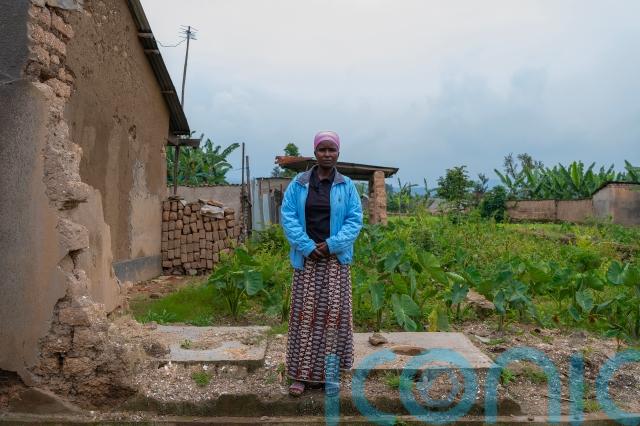
Therese Mujawamariya told the Press Association: “It was just like any other day when it rained.”
Hours later, however, people awoke to flood water rising through their home in an event that would decimate their community as they knew it.
Ms Mujawamariya said: “Neither me nor my family – nor anyone in this neighbourhood for that matter – knew that such a thing could happen.”
She added: “All we took is our children – and the very moment we stepped out of the house, it collapsed.”
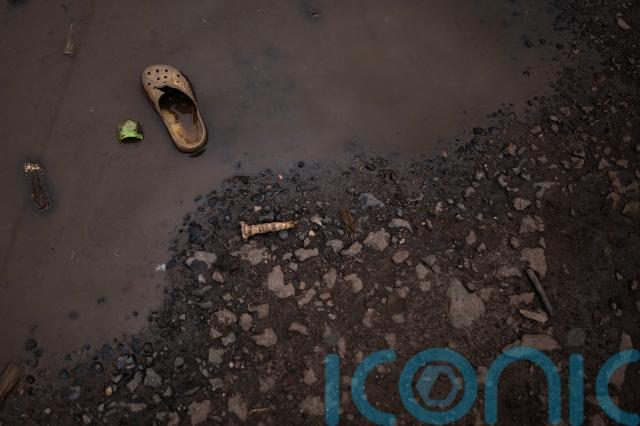
The heavy rain caused the River Sebeya to burst its banks and combine with runoff from surrounding hills to rush into the community, leading to destruction and condemning hundreds of homes.
Irish charity Trocaire worked with local partners in the emergency response to provide essential items, assistance in rental payments, and livelihood recovery programmes.
Rwanda is the focus country of its 2026 Lenten fundraising campaign.
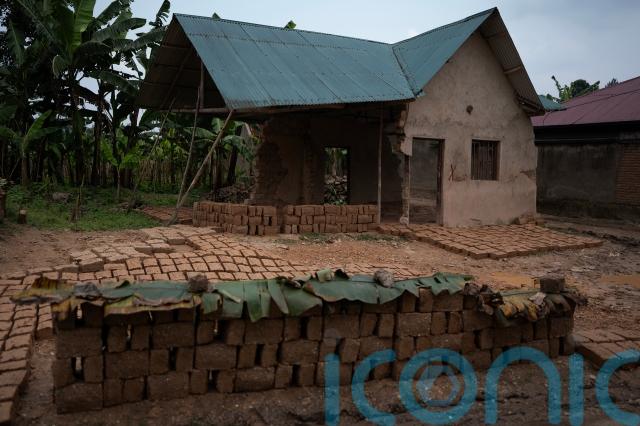
Wider flooding in the country’s western and northern provinces killed more than 130 people, destroyed thousands of homes, swept away crops and damaged bridges, health centres, and power stations.
In the surrounding area, hundreds of homes have been marked with a red X on the front wall – meaning the government has ordered them vacated and demolished as they are unsafe to live in.
Theodeta Mukahategeka’s home collapsed in the flooding and she said people in the area remain in fear over a repeat of the disaster.
She said: “It took away my cows, pigs, and chicken. Nothing I had remained.”
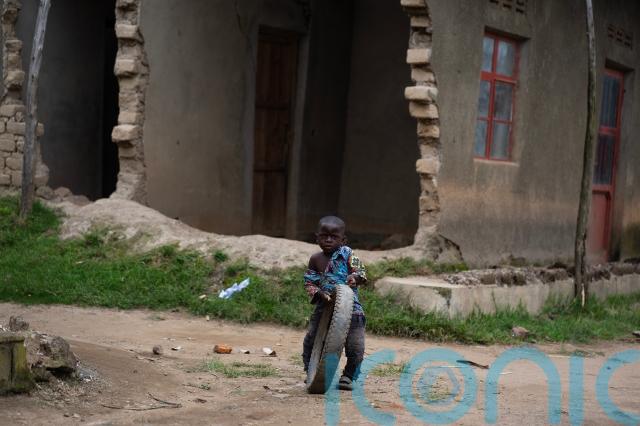
Both women said Trocaire and regional partner Caritas helped them in the aftermath of the flooding – but challenges remain as they cannot afford to send their children to secondary school and their old businesses are gone.
Nearby, Claudine Uwamahirwe and her husband carried their children out of their home as floodwater rapidly rose.
She has had to use sheet metal from the roof of her collapsed home as walls in her current living space.
They are still repaying the bank loan which they used to construct the original home.
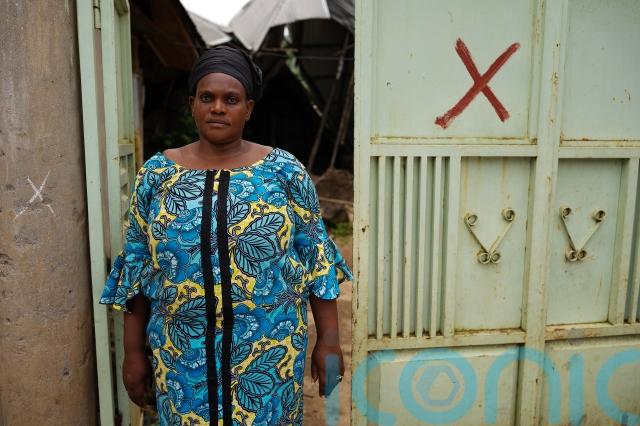
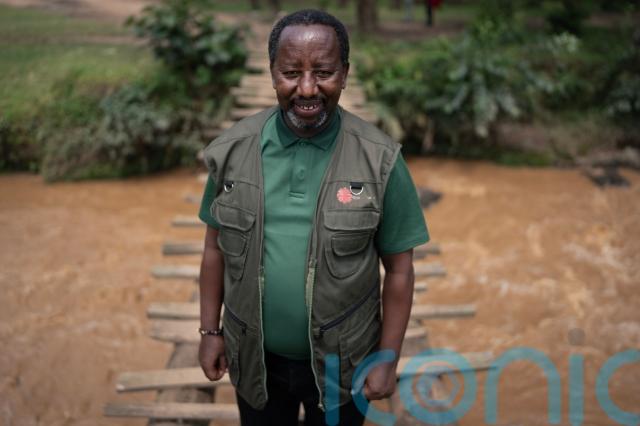
Father John Paul Rutakisha, the director of Caritas Nyundo/Gisenyi, said 1,290 of the poorest people in the cell are due to be relocated to a model village being constructed by the government.
“They have lost everything so it is somehow to restart their life after that flooding,” he said.
“But the place where the government is building a village for them will be only for their residence, not for their crops.”
There is also concern that some of the residences in the government village will not be adequate for larger families.
Marie Claire Mukanoheri, who owned a home and store in the area, said all she took from her flooded house was the Bible, before racing to find her pregnant daughter-in-law.
They braced together in flowing floodwater for hours waiting to be rescued.
Standing beside banana trees planted at the site of her destroyed home, Ms Mukanoheri said she is “very hopeful” her sons can return to operating a family business – but they cannot afford to do so as they are renting after the floods.
Fr John Paul said the people being relocated to the government village will continue to need support and the international community should work “hand-in-hand” with those affected.
“We need to focus much more on climate change here, more than other places because we are always facing these calamities,” he said.
“It is a big task we have, but we need also to be assisted so that we can do what we can try to help these people.”

Subscribe or register today to discover more from DonegalLive.ie
Buy the e-paper of the Donegal Democrat, Donegal People's Press, Donegal Post and Inish Times here for instant access to Donegal's premier news titles.
Keep up with the latest news from Donegal with our daily newsletter featuring the most important stories of the day delivered to your inbox every evening at 5pm.
Follow us on


This publication supports the work of the Press Council of Ireland and Office of the Press Ombudsman, and our staff operate within the Code of Practice of the Press Council. You can obtain a copy of the Code, or contact the Council, at www.presscouncil.ie, Lo-call 1800 208 080 or email: info@presscouncil.ie.