Search


03 Apr 2026
Search
03 Apr 2026

Please allow ads as they help fund our trusted local news content.
Kindly add us to your ad blocker whitelist.
If you want further access to Ireland's best local journalism, consider contributing and/or subscribing to our free daily Newsletter .
Support our mission and join our community now.
To continue reading this article, you can subscribe for as little as €0.50 per week which will also give you access to all of our premium content and archived articles!
Alternatively, you can pay €0.50 per article, capped at €1 per day.
Thank you for supporting Ireland's best local journalism!


A change in Coco’s Law to “close a loophole” around the generation of nonconsensual intimate images and videos using AI was debated in the Dail on Tuesday.
Sinn Fein brought the Bill to amend current legislation to the Dail after reports an AI chatbot on the social media site X, formerly known as Twitter, was being used to create deepfake sexualised images of people, including children.
The Harassment, Harmful Communications and Related Offences Bill, also known as Coco’s Law, was enacted in 2020.
It makes the distribution or publication of an intimate image without consent, with intent to cause harm to the victim a serious offence with perpetrators facing up to seven years imprisonment.
It also criminalises threats to distribute or publish such images.
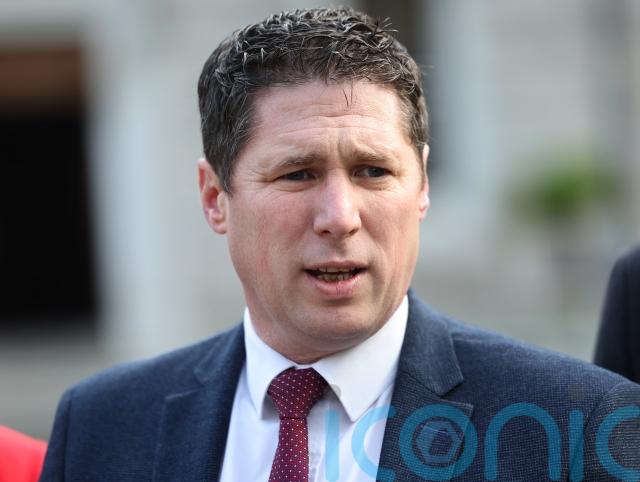
However, Sinn Fein’s spokesman on justice Matt Carthy said there is “ambiguity” in the current legislation, that had been “exposed” by Grok.
The party says it brought forward the amendment to “clarify that the creation of sexualised AI deepfakes is illegal”.
During the Bill’s second reading, Mr Carthy criticised the Government saying, “they could have brought forward immediate and targeted amendment to close this loophole”.
He said: “If this was clear in law, then we wouldn’t need a minister to sit down with the companies involved.
“If you or I are suspected of breaking the law, the minister doesn’t come to our house to discuss it, the appropriate powers hold us to account.”
Maire Divine, who co-authored the amendment, said over 11 days roughly three million sexualised images were produced using Grok and said “99%” of them were of women and young children.
The changes to the law would also extend the statute of limitations from two to five years, to allow victims more time to come forward.
They would give An Garda Siochana more time to forensically technically examine personal electronic devices.
And they aim to increase the maximum penalties people convicted of these crimes would face.
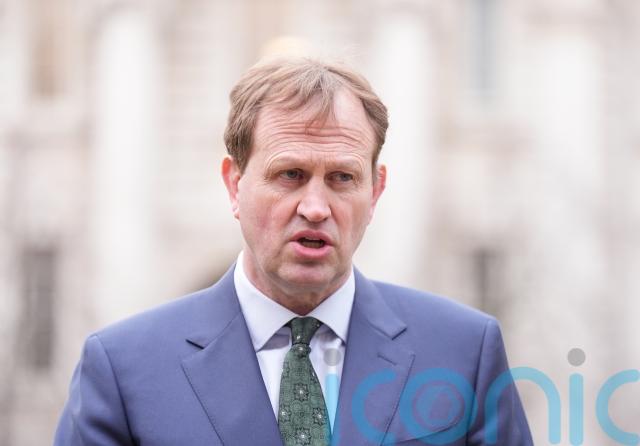
Minister for Justice Jim O’Callaghan said the Government would not oppose the Bill at its current stage, adding it shared the “widespread revulsion of the fact that platforms have allowed the nonconsensual nudification of images, primarily of women and children”.
He said there was a number of pieces of legislation which covered the generation or alteration of sexual images by AI.
But said he is “keen to ensure that there are no gaps in the legislation and that the current established legal framework is sufficiently robust to protect people from digital harms”.
Mr O’Callaghan did criticise some aspects of the Sinn Fein Bill, saying the Attorney General had advised the proposed prison term of up to five years, for the creation of an image that is not shared, is a “disproportionate penalty”.

Subscribe or register today to discover more from DonegalLive.ie
Buy the e-paper of the Donegal Democrat, Donegal People's Press, Donegal Post and Inish Times here for instant access to Donegal's premier news titles.
Keep up with the latest news from Donegal with our daily newsletter featuring the most important stories of the day delivered to your inbox every evening at 5pm.
Follow us on


This publication supports the work of the Press Council of Ireland and Office of the Press Ombudsman, and our staff operate within the Code of Practice of the Press Council. You can obtain a copy of the Code, or contact the Council, at www.presscouncil.ie, Lo-call 1800 208 080 or email: info@presscouncil.ie.