Search


27 Dec 2025
Search
27 Dec 2025

Please allow ads as they help fund our trusted local news content.
Kindly add us to your ad blocker whitelist.
If you want further access to Ireland's best local journalism, consider contributing and/or subscribing to our free daily Newsletter .
Support our mission and join our community now.
To continue reading this article, you can subscribe for as little as €0.50 per week which will also give you access to all of our premium content and archived articles!
Alternatively, you can pay €0.50 per article, capped at €1 per day.
Thank you for supporting Ireland's best local journalism!

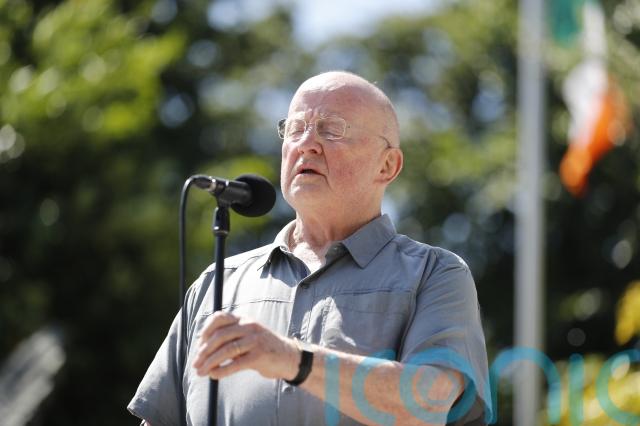
Irish officials queried the decision of UK port authorities to question famous Irish folk singer Christy Moore in 2004, amid a rise of similar complaints relating to anti-terrorism measures.
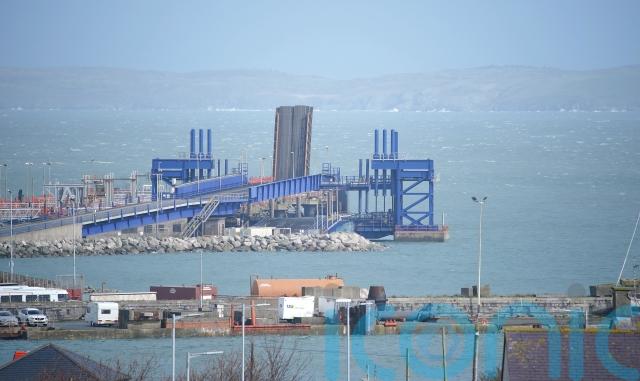
The singer-songwriter said he was stopped by officers and detained for more than two hours after he got off a ferry from Dublin in the Welsh port of Holyhead in October of that year.
Both he and his driver were interrogated separately by police at the port under the Prevention of Terrorism Act.
In a statement released through his publicist at the time, Moore said none of his equipment, bags or his car was searched by police.
He said it was saddening to think that this kind of treatment of Irish people travelling to the UK was not a thing of the past.
He said he was questioned about his song lyrics and the contents of his briefcase.
Moore said other cars in the queue off the ferry had been searched, but maintained his own vehicle had not been inspected.
He described the incident as “heavy and harassing and invasive and scary”, and made a diplomatic complaint.
Officials from Ireland’s Department of Foreign Affairs met counterparts in the UK Home Office about the matter in London on December 1, 2004.
It came amid a rise in complaints of the treatment of Irish people going through the Common Travel Area (CTA) after the imposition of new British anti-terrorism laws in preceding years.
The concerns are contained in a document now made public as part of the annual release of files from the National Archives of Ireland.
According to the file, the department highlighted three main areas of concern: Irish passengers being unwittingly photographed at ports and airports, authorities carrying out stops and examinations under the Terrorism Act 2000, and people being asked to fill in personal information on a landing or embarkation card, an act known at the time as “carding”.
Issues involving Moore’s “high profile” case, including the locking of his interrogation room, were also raised in the meeting.
Home Office figures said they would not comment on individual cases, but Irish officials brought up the issue of “inappropriate lines of questioning and the damage that can be done should a person feel that they are being questioned for entertainment or curiosity value”.
In response, the UK’s national co-ordinator of ports policing Commander, Bob Milton, stated this was a “training issue”.
The file said Mr Milton added that should a person feel the line of questioning was inappropriate, he should make a complaint to the chief constable of the force in question.
The Department of Foreign Affairs file reads: “As regards locking the room Mr Moore was detained in, Milton considered that it was up to the officer to decide whether it was necessary to lock an examination room based on whether the person was likely to leave.
“He did acknowledge that there could be a health and safety issue.”
– This article is based on documents contained in the file labelled 2025/127/1 in the National Archives of Ireland.

Subscribe or register today to discover more from DonegalLive.ie
Buy the e-paper of the Donegal Democrat, Donegal People's Press, Donegal Post and Inish Times here for instant access to Donegal's premier news titles.
Keep up with the latest news from Donegal with our daily newsletter featuring the most important stories of the day delivered to your inbox every evening at 5pm.
Follow us on


This publication supports the work of the Press Council of Ireland and Office of the Press Ombudsman, and our staff operate within the Code of Practice of the Press Council. You can obtain a copy of the Code, or contact the Council, at www.presscouncil.ie, Lo-call 1800 208 080 or email: info@presscouncil.ie.