
King asked what British artwork might be ‘lurking in Australia’ in gallery tour
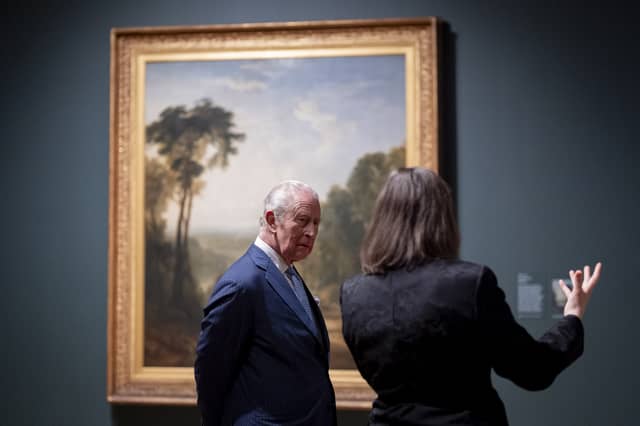

The King wondered aloud what British artwork might be “lurking in Australia” at an after hours guided tour of one of the UK’s leading galleries.
Soon after Tate Britain shut its doors on Tuesday, as the public flocked to the exit, staff hurriedly prepared for an evening visit from the King.
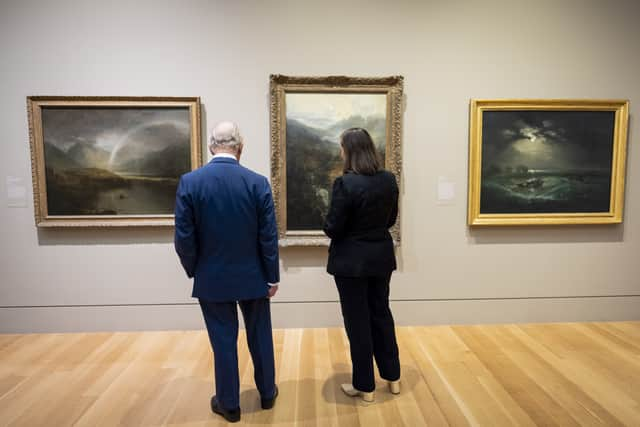
The exhibition marks 250 years since Britain’s “most revered landscape artists” JMW Turner and John Constable were born, and explores their rivalry and legacies.
It features nearly 200 artworks including rare loans from private and public collections around the world, leading Charles to ask “how many others” might be hidden away.
The remark came as the King was marvelling at Turner’s The Rising Squall, Hot Wells, from St Vincent’s Rock, Bristol, an oil painting of the River Avon on a stormy day from 1772, which had been considered lost for many years.
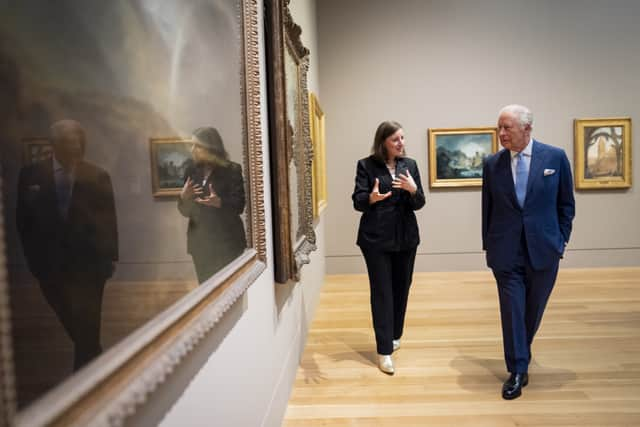
“How many others of these have they got lurking in Australia or something?” The King asked, drawing a chuckle from the exhibition curator, Amy Concannon.
Ms Concannon told the King the painting had been in Tasmania until it was recently discovered.
Charles is known to paint whenever his schedule allows and usually takes his treasured sailcloth and leather painting bag with him on royal tours in the hope he will have time to do so.
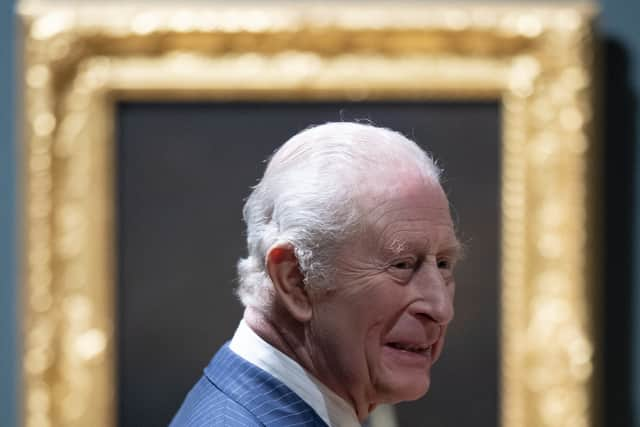
He discussed watercolour technique with the late Edward Seago and received further tuition from professionals such as Derek Hill, John Ward and Bryan Organ.
The King listened with interest as Ms Concannon explained the intricacies of the relationship between the two men.
The curator explained that Turner, born in 1775, and Constable, born in 1776, were “pitted against each other” as landscape artists, taking the form in different directions.
In 1831, Constable played into the rivalry, placing his and Turner’s work side by side at a Royal Academy exhibition, prompting widespread comparison.
Since opening at the end of November last year, the Turner and Constable exhibition has attracted more than 185,000 visitors, and is on track to be one of the “most popular shows” in Tate Britain’s history.