
Why English whisky is entering a new golden age
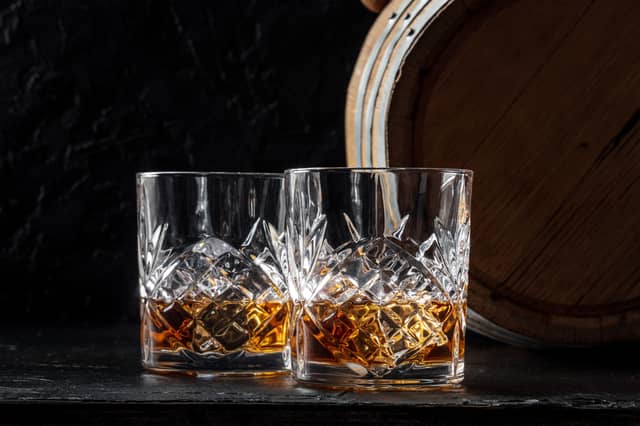

For proof of the revitalisation of English whisky, you need look no further than England’s rich flavour map… there are now more than 60 distilleries in various stages of making and laying down spirit.
And it’s safe to say it’s been a long time coming. English whisky dates back to the 1800s, but the industry gradually died out, with the Lea Valley Distillery the last to close its doors in the early 1900s.
Today, to many people’s surprise, we’re in the midst of a new golden age of distilling – and the future’s looking bright.
Marking a new era for whisky lovers, “it’s the overall boom in whisky itself,” highlights Matt McKay, managing director and whisky maker at The London Distillery Company, founded in 2011 and an early pioneer of the English whisky category.
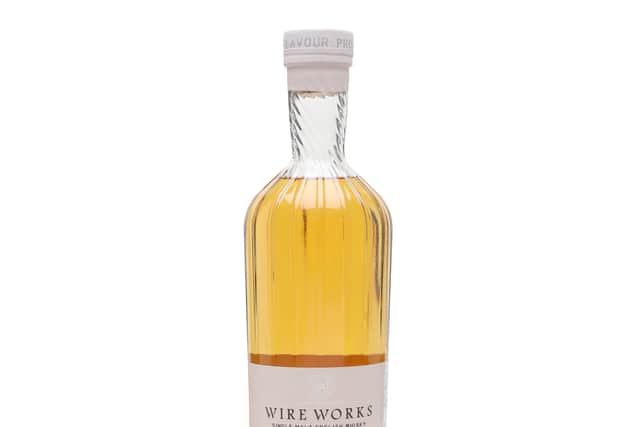
“And English whisky has come along just at the right time. People are much more open-minded about where their whisky comes from… they certainly didn’t used to be,” he quips.
We are now at the point where there is an annual English whisky festival in Birmingham, with more than 30 distilleries showcasing their latest releases; not to mention regional festivals throughout the year.
Meanwhile, people will be raising a dram to the second annual English Whisky Week (April 18 to 26) with a string of special events hosted by distilleries, whisky clubs and bars.
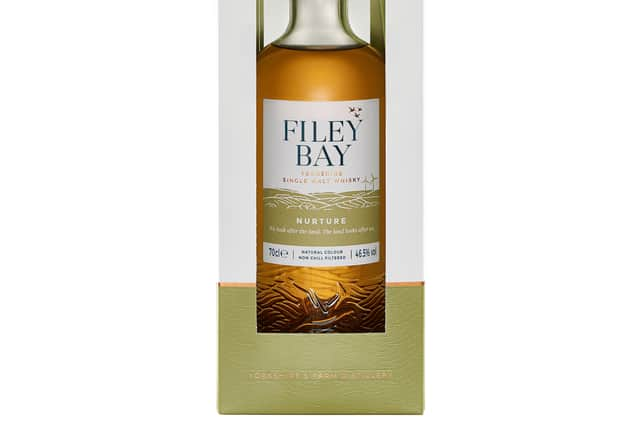
“Certainly, in the past 10 years, there’s been an absolute explosion in the number of English distilleries,” underlines McKay, a founding member of The English Whisky Guild.
Winners on the world stage with a number of producers with medals under their belt, Norfolk based The English Distillery has just been crowned for World’s Best Single Malt – Small Batch – at the World Whiskies Awards 2026.
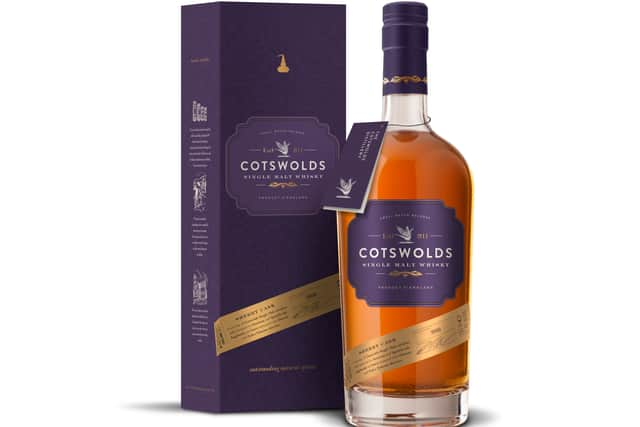
Not to mention Warwickshire’s Cotswolds Distillery winning Gold at the World Whiskies Awards 2025, and Worlds Spirits Challenge 2025, for its Sherry Cask Single Malt Whisky.
From traditional single malts to bold expressions, to spicy ryes and lightly peated; in keeping with other world whiskies, English whisky must be aged in wooden casks for a minimum of three years.
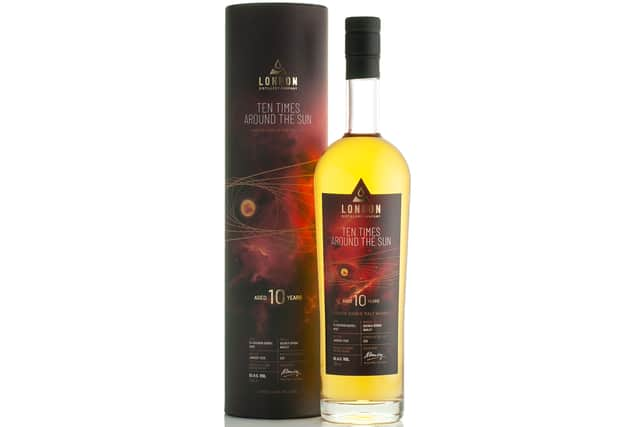
Importantly, “they are all, by and large, owned independently and they are craft,” underlines McKay. “So they’re not making large scale, where they’re producing 100,000 bottles, and yield is everything.”
They are generally people who were inspired by the growth of wider whisky and thought: “Do you know what? I love whisky, I want to make whisky, and that’s all about flavour and character.
“So what you have in England is an amazing amount of diversity of whisky,” highlights McKay. “They’re the people doing all sorts of different things… everyone’s got their unique spin on it.”
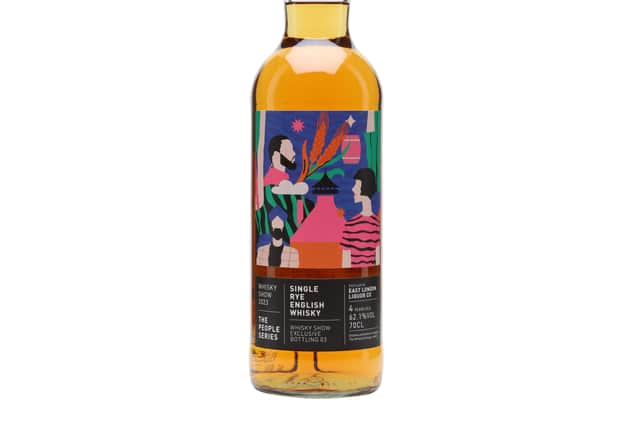
“There is much more scope for creativity and innovation in England, than somewhere like Scotland,” suggests McKay. “…Where rules are rules.”
And it’s exciting. It’s still young, it’s ever-changing. “Lots of people are doing different styles, so that really captures the imagination of the modern whisky drinker,” highlights McKay.
“Because it’s all happening now, and it’s right up to the minute.”