
Long-term report: The BYD Seal 6’s efficiency comes to the fore


Month two with our BYD Seal 6 DM-i Touring Comfort Lite and life is far from Crazy living with it – apologies, that may well be the last Seal reference I make.
Jokes aside, the timing of this car’s arrival is starting to feel rather fortuitous. With ongoing instability in the Middle East pushing fuel prices ever higher, running something that majors on efficiency rather than outright performance is beginning to make more sense by the day.
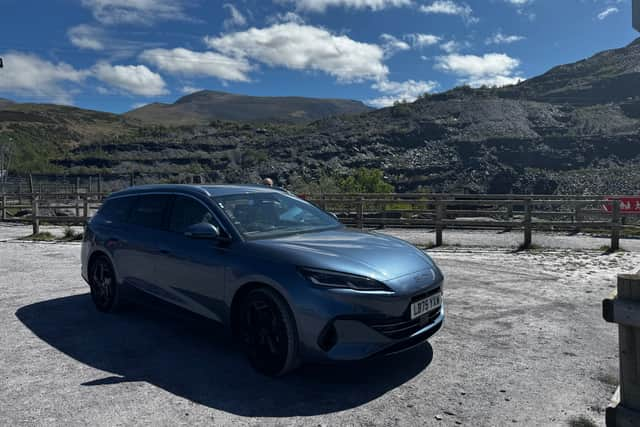
Over the past few weeks, it’s been pressed straight into proper long-distance service. Multiple runs from the north west down to the south coast, combined with various shoots scattered across the country, have seen the odometer climb rapidly. Before long, the total mileage ticked past 8,000 miles, and there’s no sign of things slowing down anytime soon.
It’s in this kind of real-world, high-mileage use where the Seal’s plug-in hybrid setup really starts to justify itself.
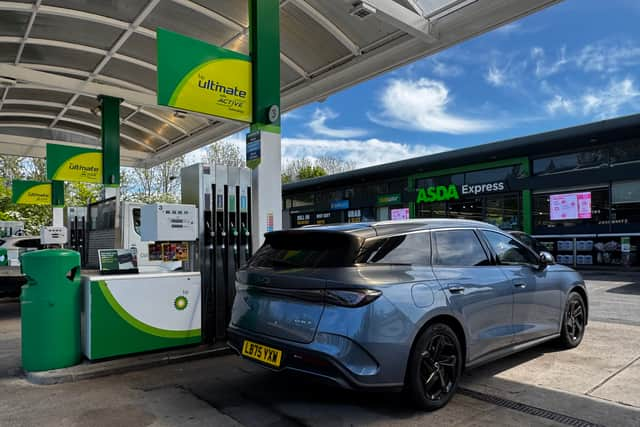
Each full tank continues to deliver around 750–770 miles of range, which significantly reduces the need for regular fuel stops on longer journeys. When you’re covering this sort of distance week in, week out, that convenience quickly becomes one of the car’s biggest strengths. It’s a very different ownership experience compared to a full EV, where journey planning and charging stops can often dictate the pace of travel.
The electric side of things is still playing its part, too.
Comfort is another area where the Seal is quietly making an impression.
Over the past couple of months, it’s experienced just about everything the British climate can throw at it – from properly Baltic mornings to unexpectedly warm, almost Mediterranean afternoons. Thankfully, the cabin is well equipped to deal with both extremes. Heated and cooled seats make a noticeable difference depending on the conditions, while the heated steering wheel is a welcome addition on colder starts. When you’re spending hours behind the wheel, those touches go a long way.
Not everything is quite as seamless, though.
The infotainment system remains something of a bugbear. On the face of it, it’s a strong setup: the screen itself is large, clear and responsive, and the icons are logically laid out and easy enough to understand. The issue is that everything is routed through it. From navigation to media to various vehicle settings, it all lives within the same interface.

It’s also had an unexpected knock-on effect on the way I start each journey.
Where I’d normally jump into a car, set the seat and steering wheel position, check the mirrors and drive off, the BYD has introduced something closer to a pre-flight checklist. Each time I get in, there are a couple of minutes spent diving into the screen to deactivate or adjust various safety systems.
The most intrusive of these is the driver monitoring system, which uses a camera to check whether your eyes are on the road. In principle, it’s a sensible feature – and one that’s becoming increasingly common – but in practice it can feel overly sensitive. Glance across at the infotainment screen to adjust navigation or audio settings, and it’s quick to issue a warning. There have even been occasions where looking at road signs or scanning further ahead has triggered it.
You can understand why it’s there, but the execution could certainly be more refined.
Still, these are largely usability frustrations rather than fundamental flaws. As a long-distance companion, the Seal continues to make a strong case for itself, blending impressive range with genuine day-to-day comfort.
With more cross-country trips already lined up, the mileage is only going in one direction. It’ll be interesting to see whether these smaller irritations fade with familiarity – or become more pronounced over time. Either way, we’ll keep you posted.
- Model as tested: BYD Seal 6 DM-i Touring Comfort Lite
- Price as tested: £37,990
- Engine: 1.5-litre turbocharged petrol, plus twin electric motors
- Power: 209bhp
- 0-60mph: 8.3 seconds
- Top speed: 112mph
- MPG: 188.3mpg
- CO2 emissions: 34g/km
- Mileage: 8,759 miles