
Ireland’s battle with invasive species intensifies as ‘Asian Hornet’ adds a new layer of concern
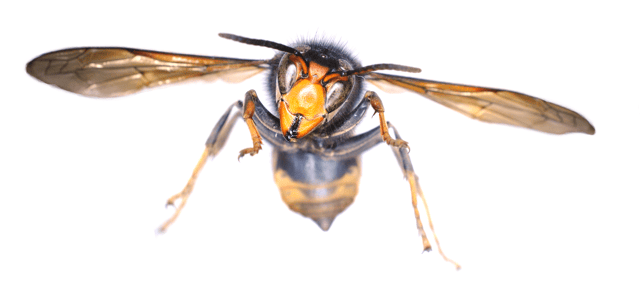

The ‘Asian Hornet’ is the newest addition to a growing list of invasive species, which pose a massive threat to Irish eco-systems
Ireland’s fragile ecosystems are facing mounting pressure as invasive species tighten their grip across the country.
From mink and grey squirrels to Japanese knotweed and giant rhubarb, the list of invaders is growing and now the arrival of the Asian hornet has added a new layer of concern.
Earlier this month, fully established nests of the hornet were discovered in Cork, the first confirmed cases since an isolated sighting in 2021. Authorities moved quickly to eradicate them, but experts warn this may only be the beginning.
The Asian hornet, native to Southeast Asia, has spread rapidly across Europe since its accidental introduction to France in 2004. It poses a particular threat to honeybees and other pollinators, which are essential for Ireland’s biodiversity and food production.
A single nest can produce up to 13,000 hornets in its lifetime, with hundreds of new queens capable of establishing fresh colonies.
“Invasive species like the Asian hornet don’t just appear in isolation, they’re part of a bigger pattern we’re seeing across Ireland,” said John Kelly of the National Biodiversity Data Centre. “They outcompete native wildlife, disrupt ecosystems and can cause lasting economic damage.”
Ireland already spends millions each year managing invasive plants and animals, from the aggressive spread of Japanese knotweed undermining infrastructure to mink threatening ground-nesting birds and the coypu, a South American rodent, has also been spotted in waterways in Limerick and Cork, raising concerns for native species.
While the island’s geography has slowed the spread of some species, Ireland remains highly vulnerable due to modern transport links with Britain and mainland Europe. The UK has spent years attempting to keep the Asian hornet out, with almost 100 nests destroyed so far this year alone.
For beekeepers in Ireland, the hornet’s arrival is a potential disaster. Colonies of European honeybees are poorly equipped to defend themselves compared to their Asian relatives. Losses in countries where the hornet has become established range between 18% and 80%.
Scientists are racing to develop new ways of detecting and controlling the species, including pheromone traps and improved nest tracking methods. But experts stress that public vigilance will be vital. Members of the public are being urged to report any sightings through the National Biodiversity Data Centre.
“This is about more than just one insect,” said Dr. Dara Stanley of UCD. “Ireland needs a joined up approach to tackle invasive species on all fronts whether it’s hornets, plants or mammals. Protecting our biodiversity now will pay off for generations.”
With climate change and increased global trade expected to accelerate the spread of invasive species, Ireland’s fight is likely to be a long one. The Asian hornet may be the latest arrival, but it will not be the last.