
Enjoy luxury wines for less


Here’s how to drink smart and switch out some swish styles from famous regions for something a little less spendy…
Châteauneuf-du-Pape
One of the most famous labels in the world, this southern Rhône blend – key varieties are grenache, syrah and mourvèdre – seduces us with its grace and strength, expressive aromas of red and black fruits, hints of garrigue herbs, savoury spice and smooth, velvety palate.
Sophie Lord, Virgin Wines’ head of buying, says this blend of grapes with its bold structure can be replicated in a lower-cost Australian or French GSM blend.
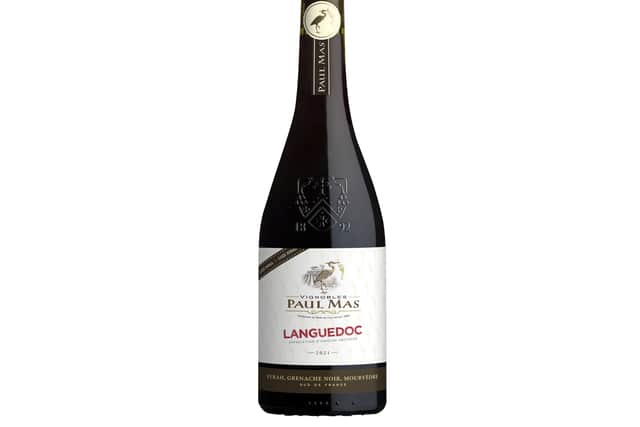
“Or you could spend even less on some Languedoc wines which use this same blend. GSM blends coming out of sunny Australia are also worth a try – look to Barossa for a powerhouse of flavour,” she adds.
Marlborough Sauvignon Blanc
A racy style we can’t drink enough of, aromatic tropical fruits leap from the glass with vivid grassy notes, flavours range from pronounced gooseberry to passion fruit, peas, nettles, capsicum and ripe stone fruits, ending with zippy acidity.
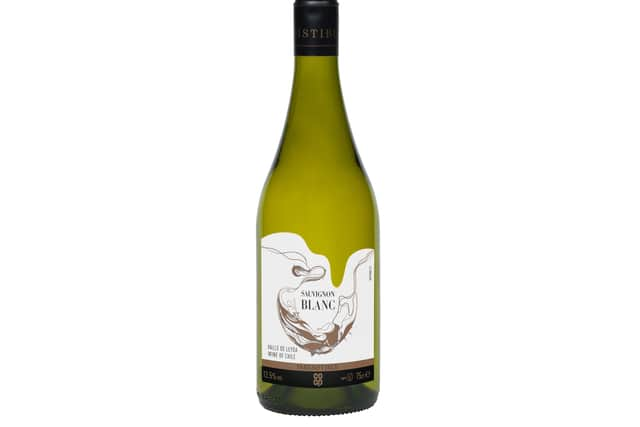
Ben Cahill, Co-op wine buyer, says to set your sights on Chile, particularly the Leyda Valley region, with an enviable climate for growing sauvignon blanc.
Bordeaux
The red wine capital of the world, who wouldn’t love to hold the keys to a resplendent château with a well-stocked cellar safeguarding wines with good ageing potential?
“Split into two halves, on the Left Bank are prized appellations like Pauillac, Margaux and Graves, while the Right Bank houses iconic names like St-Émilion and Pomerol, where some wines cost up to 4,000 Euros for a single bottle,” notes Lord.
As she points out, the most prominent Bordeaux grape blend is a mix of cabernet sauvignon and merlot, which produces a full-bodied, savoury style with grippy tannins – and usually noticeable oak.
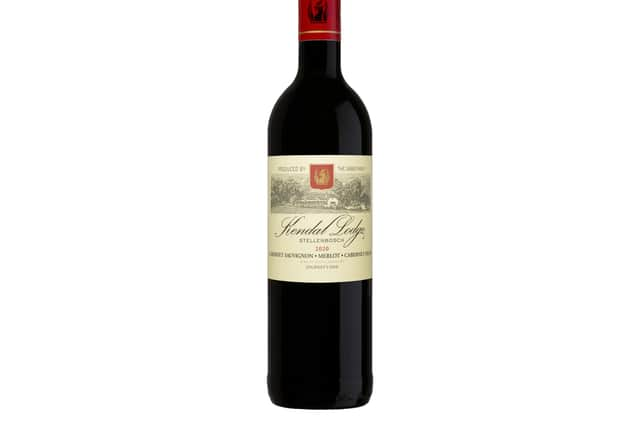
“It’s pretty well replicated in cabernet merlot blends from South Africa, especially wines from Stellenbosch,” says Lord.
Provence Rosé
Fashionable and a wine of the times, top quality Provence rosés exhibit attractive strawberry aromas, a complex range of fruits from dried cherry to redcurrant, to peach, gentle silky texture with balanced acidity and freshness. Usually a blend of cinsault and grenache, these ballet slipper pinks don’t come cheap.
“Look for a pale rosé made from a blend of cinsault and grenache,” suggests Lord. “If you want to keep to France, then the Languedoc is a great place to start – but my top tip is to look out for any rosé wines with IGP Méditerranée on the label.
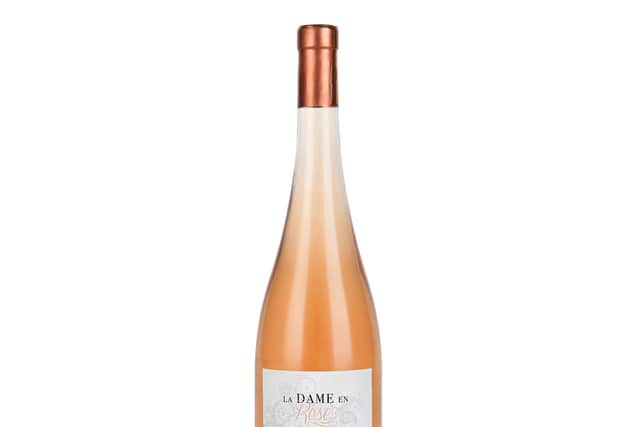
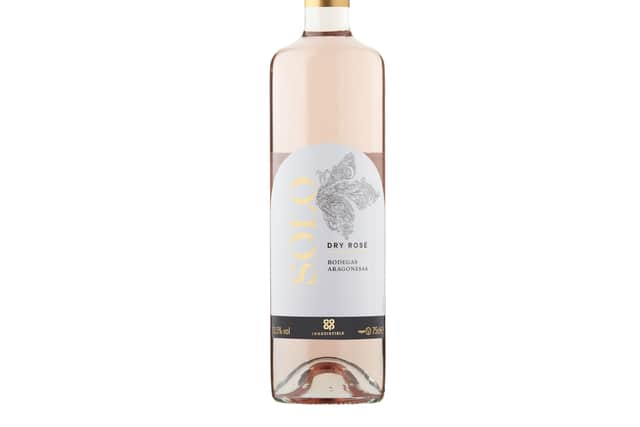
For an alternative, Spanish soils shouldn’t be overlooked. As Cahill puts it: “Provence may be traditionally seen as King when it comes to rosé, but there are plenty of winemakers from other countries who have taken note and producing beautiful, pale and seductive pinks of their own.
Red Burgundy
With its silky texture, floral aromas, rapturous palate of cranberries, raspberries and gentle red berries, fine red Burgundy is cited as the pinnacle for pinot noir. However, this fickle, thin-skinned grape is notoriously difficult to grow, sensitive to its surroundings and prefers a moderate climate.
Lord says the key to finding a more affordable alternative to red Burgundy is finding a region that shares a similar climate.
“Pinot Noir made in German wine regions (where it’s called Spätburgunder) tends to be of outstanding quality, thanks to the cool climate fussy pinot noir adores.”