
Autumn pests to look out for and how to get rid of them in your home and garden
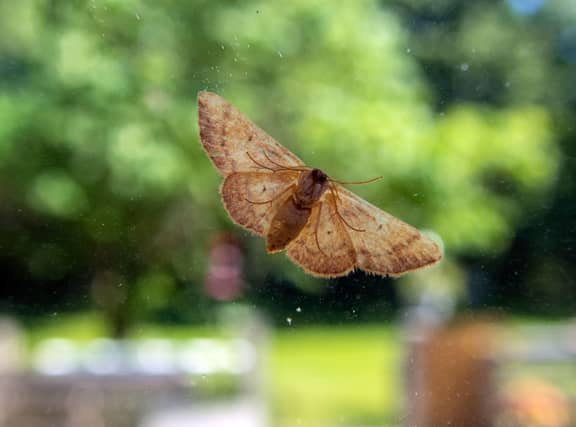

As we switch seasons and transition into the cooler months, the change in climate can be a breeding ground for some uninvited guests – seeking warmth, shelter and food indoors.
Here, experts share their top tips to keep pests at bay…
Ants and flying ants
Ants are usually attributed to hot summer days, however, due to the turbulent and confusing weather this year, they don’t seem to be shifting, notes Joanna Baumard, co-founder of Purlfrost.
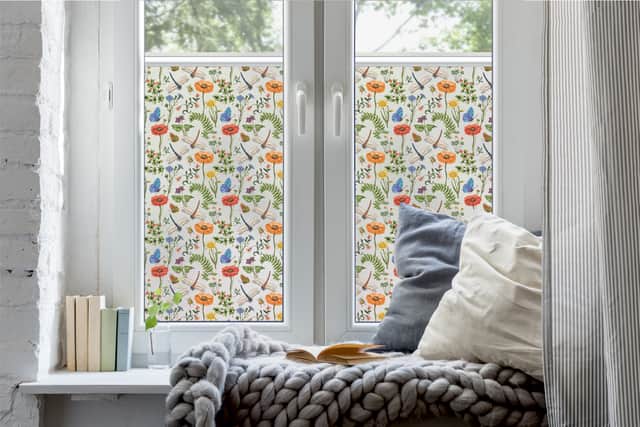
“Not only does blue and green decorative film add a pop of colour to your windows and give your home a stylish touch, it also acts as a natural bug repellent,” says Baumard.
“The window film works like a charm because bugs are unable to detect blue and green hues on the UV spectrum.” She continues. “So, by simply adding these colours to your windows, you’re able to keep those pesky bugs at bay without the need for harmful chemicals.”
Textile moths
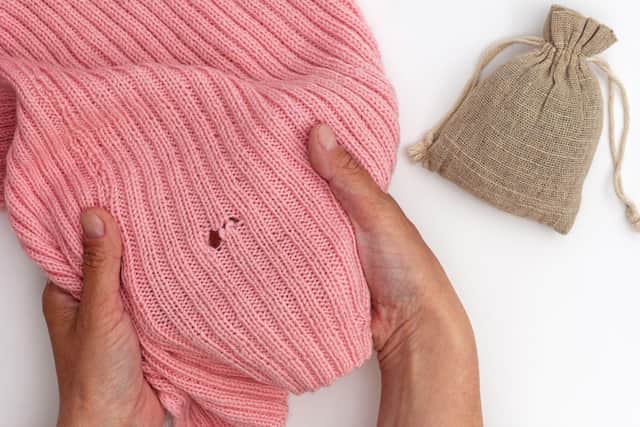
Moth larvae can damage and create holes in clothes, carpets, blankets and curtains, as well as stored goods by feeding on the keratin contained in animal fibres such as wool, fur, silk, feathers, felt and leather, explains Blackhurst.
“Textile moths are most likely to be found in spare bedrooms, under mattresses, and in infrequently used wardrobes and attics.” He continues. “As the moth larvae feed on the keratin in the fabric, they can cause significant damage to clothes, blankets, carpets, curtains and upholstery.”
Signs of a moth infestation include holes in clothes and fabrics, silken tubes (or ‘cases’ in which the moth larvae live), and small maggot-like larvae on surfaces.
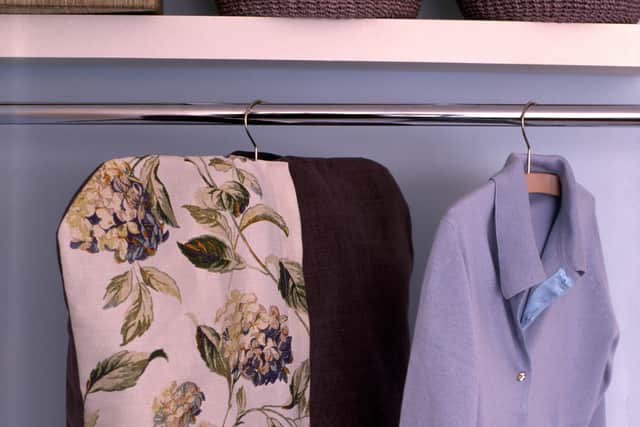
Blackhurst says to ensure clothes or fabrics being stored for long periods of time, such as suits and wedding dresses, are placed inside appropriately sealed bags or suitcases.
“Clean and vacuum regularly in order to remove moth eggs before they hatch, and keep curtains drawn at night to help prevent moths from entering your home,” advises Blackhurst.
Spiders
September marks the beginning of the spider mating season in the UK, so you may have already noticed an increased number of them around your home and garden, suggests Blackhurst.
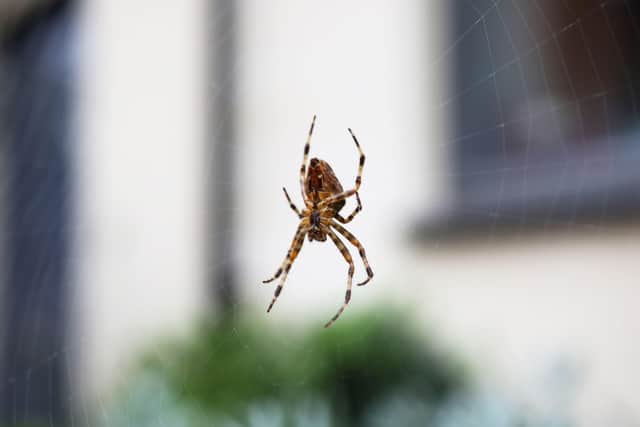
While many people fear these eight-legged beasts, he says they are in fact beneficial to have around. Flies and other insects are a major source of food for spiders, which means they provide a natural form of pest control.
With around 650 species of arachnids in the UK, Blackhurst says there are less than a dozen that we can expect to commonly see in our homes.
To prevent spiders from entering your home, he says there are measures you can take.
“Vacuum regularly, including hidden spots like under furniture, remove spider webs, especially in corners and on ceilings, seal gaps in walls, pipes and doors to discourage entry, keep firewood, garden bags and compost heaps away from the home, and reduce outdoor lighting, as it can attract insects that may become spider prey.”
Slugs
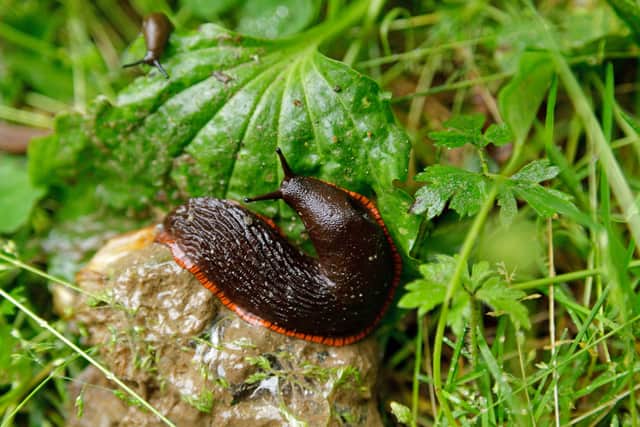
“With lots of leaf litter to hide under, they can be hard to spot.” He continues. “But slugs tend to move around in the open at night, making them easier to pick out.
“So, go around with your torch and remove them from your garden. If you don’t like the idea of slug hunting, encourage hedgehogs and birds into your garden to do the job for you.”
Vine weevils
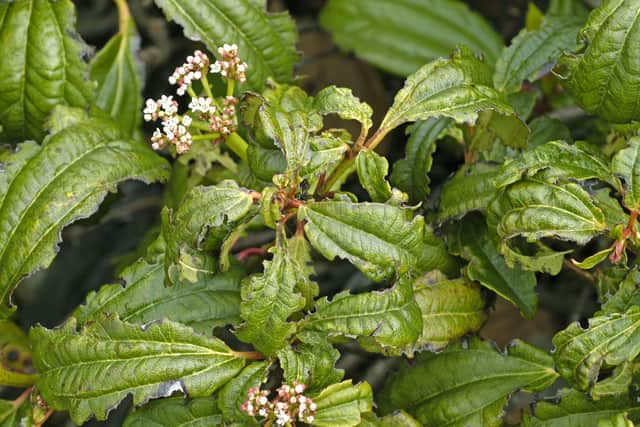
“They feed on roots, leading to the wilting and death of your beloved plants. Grubs are most common in outdoor pots and containers but beds and borders with strawberries, heuchera and sedums are also prone to attack from these critters.”
Collins says barrier glues on the rims of containers can stop the adult beetles from laying their eggs, but if you suspect weevil grubs are present, the best thing you can do is rummage in your soil or compost and physically remove them.
“They’re easy to spot as they have white, legless bodies that form a ‘c’ shape. In early autumn while the ground is still warm, you can also use nematodes to tackle them.”
These microscopic pest-control creatures can be bought from specialist gardening suppliers.