
5 daily habits that could be damaging your hair
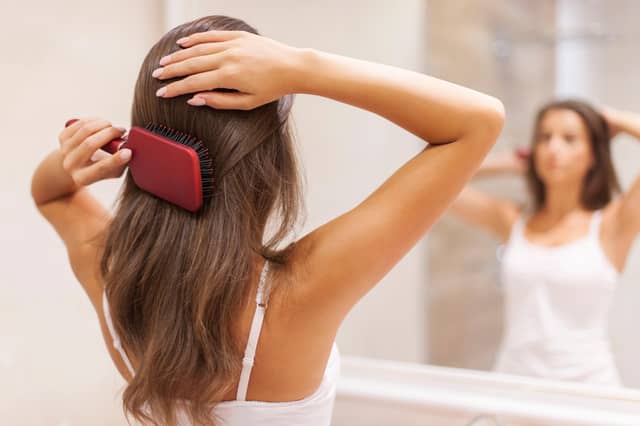

The term “microbiome” is quite new to mainstream vocabulary. Thanks to the likes of Tim Spector and Chris Van Tulleken, it’s usually associated with our gut – but hair health experts are now declaring the importance of looking after your scalp’s microbiome.
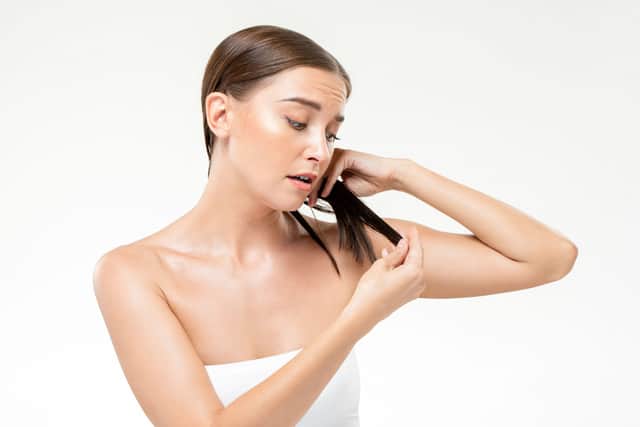
When our scalp microbiome is disrupted, it can lead to various conditions that affect our hair, from its shine to its thickness and even its texture.
Here are five daily habits that might be causing your hair damage – and how to reverse it.
1. Slicked-back styles
The trending styles of the summer may look great, but you could unwittingly be inflicting detrimental damage. “Tight hairstyles such as high ponytails or a slicked-back bun can actually lead to a condition called traction alopecia,” says Nicola Wilcox, brand executive at Capital Hair & Beauty. “This occurs when hair follicles are constantly being pulled, causing inflammation and resulting in hair loss.
“Over long periods of time this can cause receding hair lines, especially around the temples and forehead.” This is something known as a cowlick, which can also arise from over-using extensions that tug on the hair follicle.
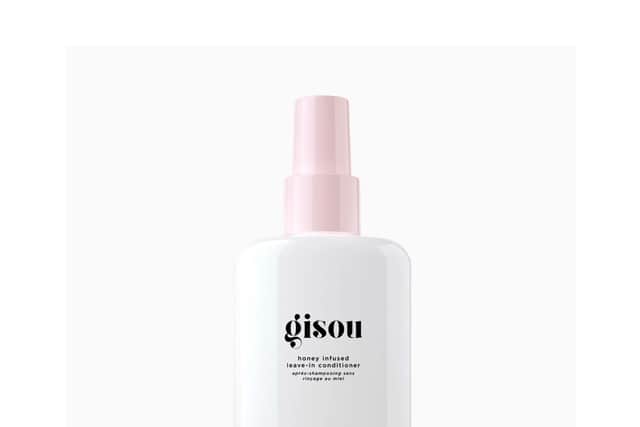
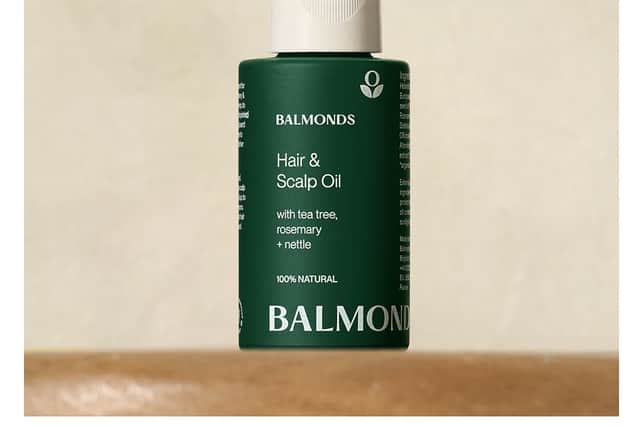
Balmonds Hair & Scalp Oil – 50ml, £16
2. Sleeping with wet hair

If your tight morning time schedule doesn’t allow for hair washing, small changes can help reduce the damage on your scalp and hair. “Instead of cotton pillowcases that cause substantial friction, try those made of silk or satin,” says Wilcox.
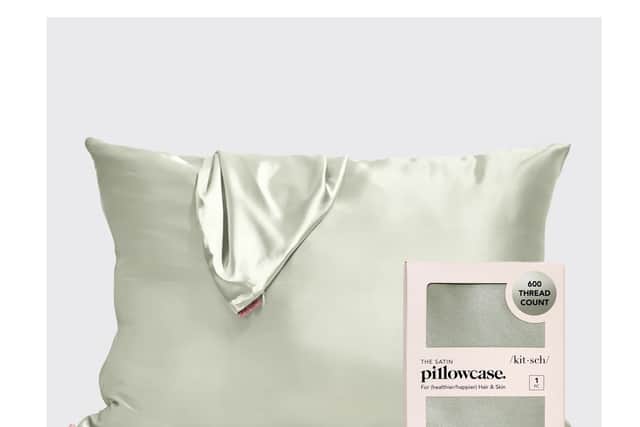
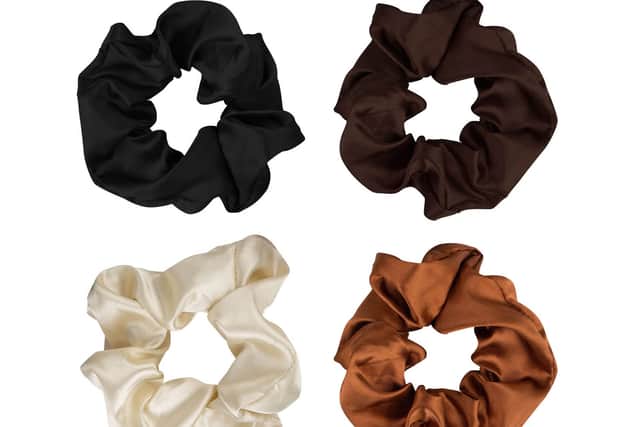
brushworks Nude Satin Scrunchies – Pack of 4, £6.49, Look Fantastic
3. Over-washing
The age-old question: how often should you really wash your hair? Some say your scalp is an extension of your skin and you should wash it as frequently as your body – others say once a week is plenty.
When it comes to your hair’s microbiome, “Washing your hair too frequently can strip away the natural oils that protect your scalp’s microbiome, leaving it vulnerable to irritation and dryness,” says Hairstory’s Alara Zeren.
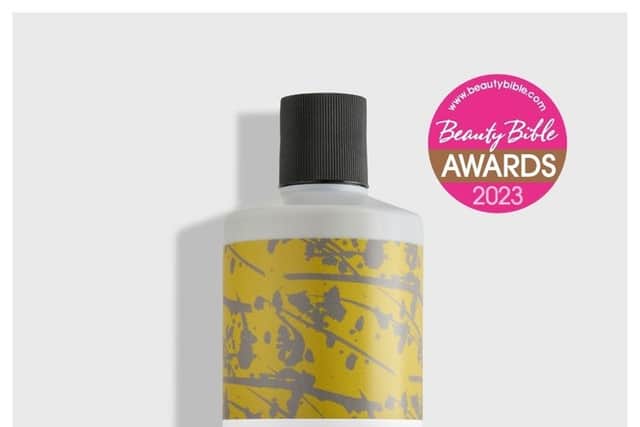
Ffor Re:Nourish Conditioner – 300ml, £19
4. Towel-drying
Similarly to sleeping with wet hair, aggressive friction with vigorous towel-drying can cause irreversible damage by lifting the cuticles. “Wet hair is more elastic and fragile, so rough handling can stretch the hair shaft beyond its limits, causing breakage and hair loss,” says Wilcox.
Alternatively, you should gently press the towel against your hair to absorb excess water, working in sections from root to tip. Wilcox advises you squeeze your hair as opposed to rubbing back and forth, and avoid twisting wet hair to reduce strain and breakage.
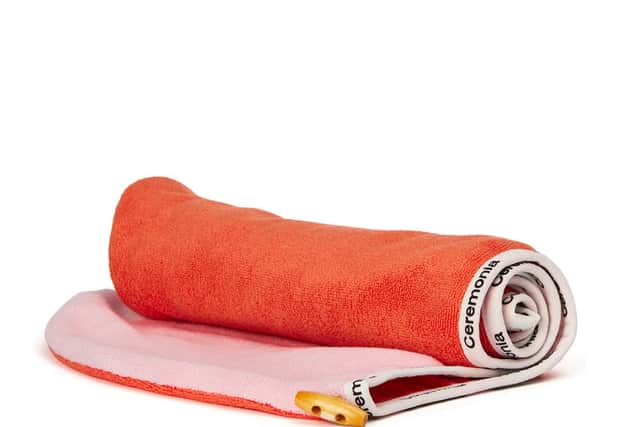
Ceremonia Microfiber Hair Towel – Guava, £33, Cult Beauty
5. Your favourite snacks
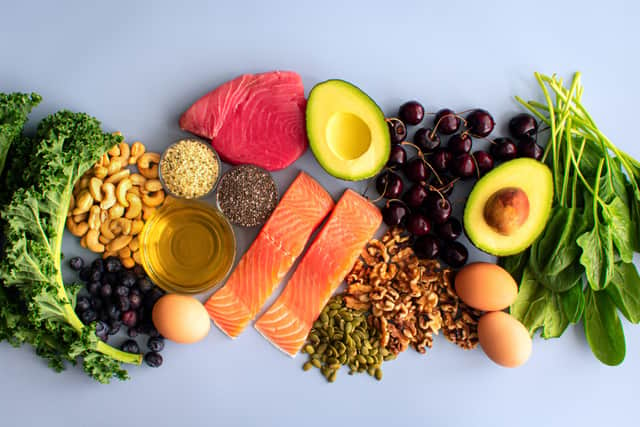
Instead of begrudgingly swapping out your go-to sugary snacks, add these bits in for extra supplementary nutrients. “Foods such as salmon, tuna, flaxseed oil, walnuts and almonds will keep hair looking and feeling strong,” says Wilcox, “As well as food, ensure you have eight 250ml glasses of water a day, to keep hair in a hydrated and healthy state.”